Community Corner highlights the work of Seattle Human Services’ community partners in their own words. Our goal is to gather stories and photos that illustrate their amazing work on behalf of the people of Seattle. This post was provided by Cara Lauer, executive director of Queen Anne Helpline. Visit their website and follow them on Facebook, Instagram and LinkedIn.
When was your organization founded, and what role does it fill in the community?
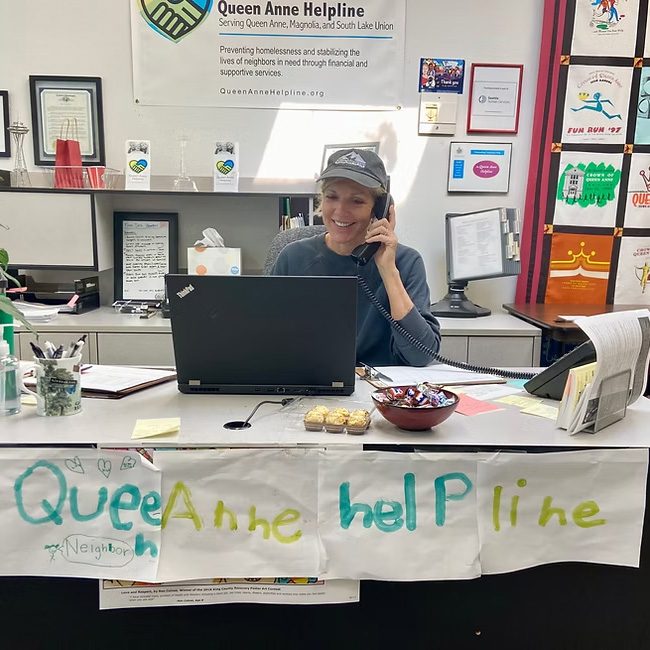
Queen Anne Helpline was founded in 1982 after a group of small business owners and faith leaders saw a sharp rise in the number of neighbors struggling to make ends meet. Today the Helpline continues to help folks close the gap financially through rental and utility assistance, and through access to clothing, food, transportation, and hygiene items. We participate in a community of care, helping neighbors care for one another through pooled resources.
How has your organization grown or developed in recent years?
After four decades, we articulated our first ever vision statement, which has become something of a north star in making strategic decisions: We envision engaged communities that honor human dignity, value belonging, and embrace interdependence.
Our vision has implications for how we show up in community, how we welcome guests, and how we understand both ourselves and our social world. Years ago, in-kind donors used to sometimes engage in a kind of charitable “wish-cycling” by donating expired food and damaged clothing. In recent years, more people are contending with the corrosive impact that income and wealth inequality has on our neighborhoods and our city. Donors are giving from a place of abundance rather than scarcity, both in terms of financial contributions and high-quality in-kind goods.
What’s something that people in the community might not know about your organization?
There are no restrictions on who can visit our resource center for clothing, food, and hygiene help. Part of being a caring community is not gatekeeping who deserves access to support. Treating one another with dignity and belonging to an interdependent community means not dividing people into givers and takers.
What disparities or inequities are you working to address, and how do your programs help close those gaps?
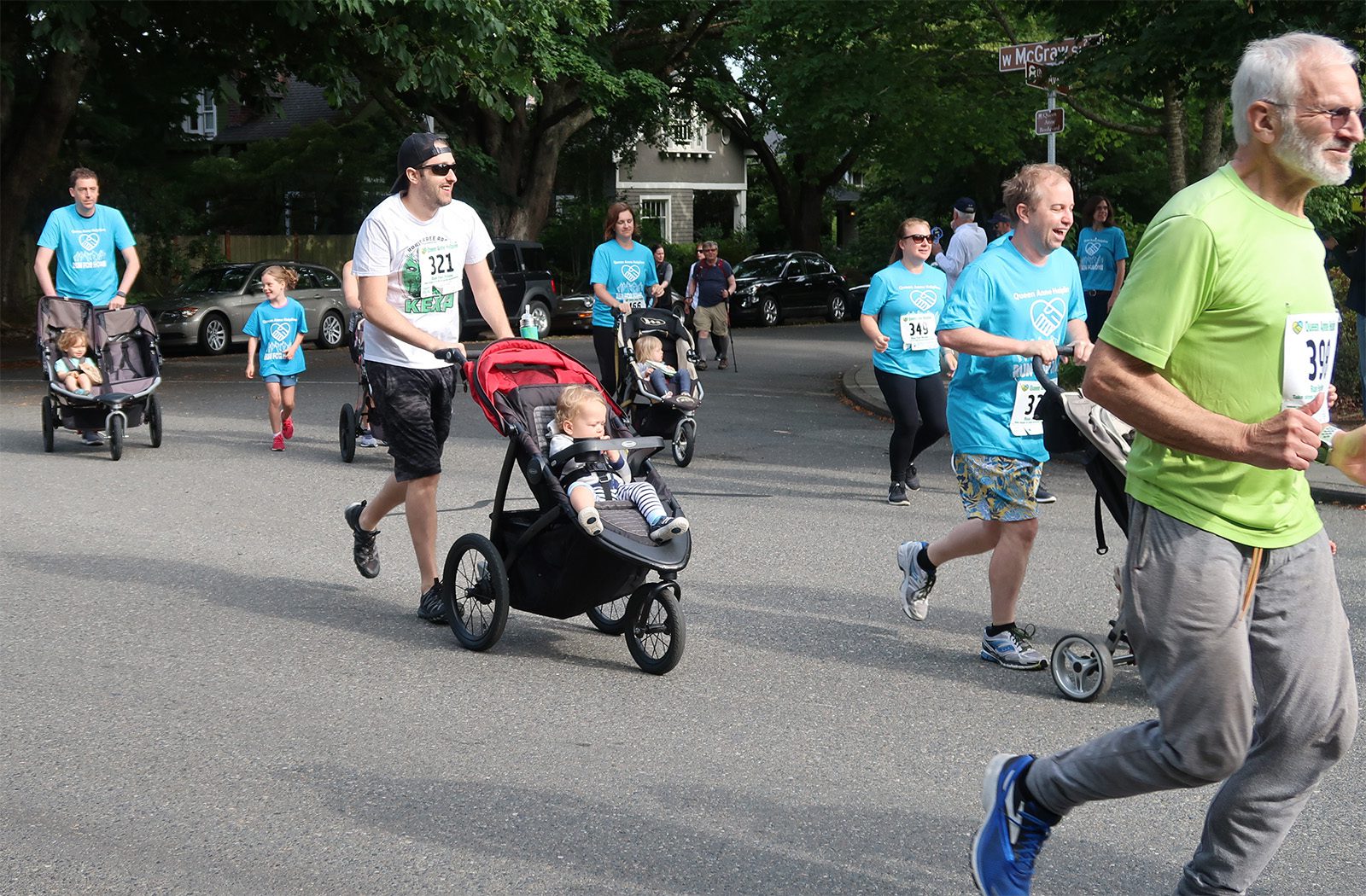
Systemic racism and other channels of oppression are major drivers of housing and food insecurity. The history of redlining blocked Black families from creating intergenerational wealth through homeownership. Domestic violence is a main cause of homelessness among women. People living with disabilities, undocumented immigrants, and those with a criminal history face barriers to both in the workplace and on the rental market. We aren’t solving those systemic issues with our programs, but understanding the hardships faced by marginalized communities helps us better fortify them for the road ahead.
Apart from systemic barriers, financial security can be more tenuous than most of us would like to believe. Many of us are only one job loss, one car accident, or one diagnosis away from financial crisis. At the same time, we are resilient, especially when we have “a little help from our friends.” For our clients, often just a modicum of support keeps them stably housed and well resourced. We don’t want people to wait until their situation gets worse before they reach out for help.
Tell us an example of how an HSD-funded program or service impacted one of your community members.
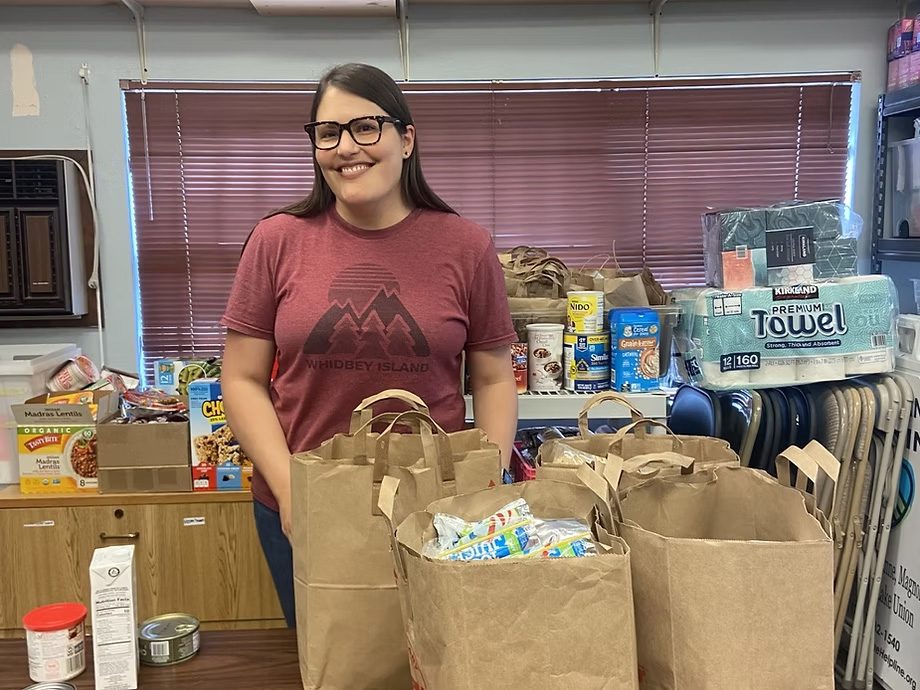
On a recent visit, a client told us the assistance we were able to provide was the greatest gift he’s received in a long time. He came in quiet and anxious and left smiling and laughing. Time after time, we see a visible release of the fear and anxiety clients have been holding over possibly losing their housing or going hungry. It can seem easy at times to look around and believe all of us are doing too little to make a difference. But every client is a person who deserves a life of dignity and hope; and for those folks, a little help can mean the world.
What keeps your staff going during challenging times?
There is genuine camaraderie, empathy, and humor between our staff, volunteers, and clients. Many have noted the enjoyment and “positive vibe” in the Resource Center. People feel comfortable no matter why they’re here, and that reminds us of what a healthy, strong, caring community looks like even in challenging times. What starts as a smile and a cup of tea blossoms into relationships and community. One of our staff reflected on this recently by sharing the Howard Zinn quote from his essay “The Optimism of Uncertainty”:
“If we do act, in however small a way… in defiance of all that is bad around us, [that] itself is a marvelous victory.”