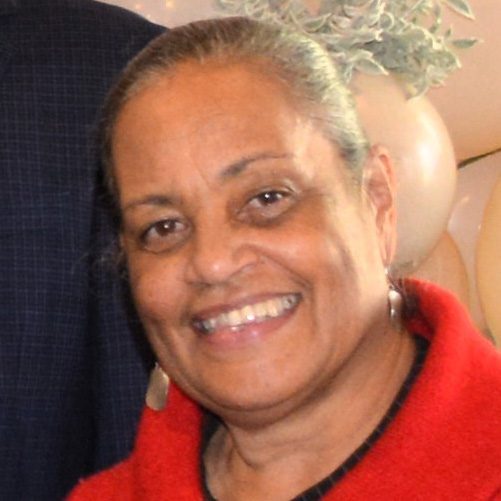
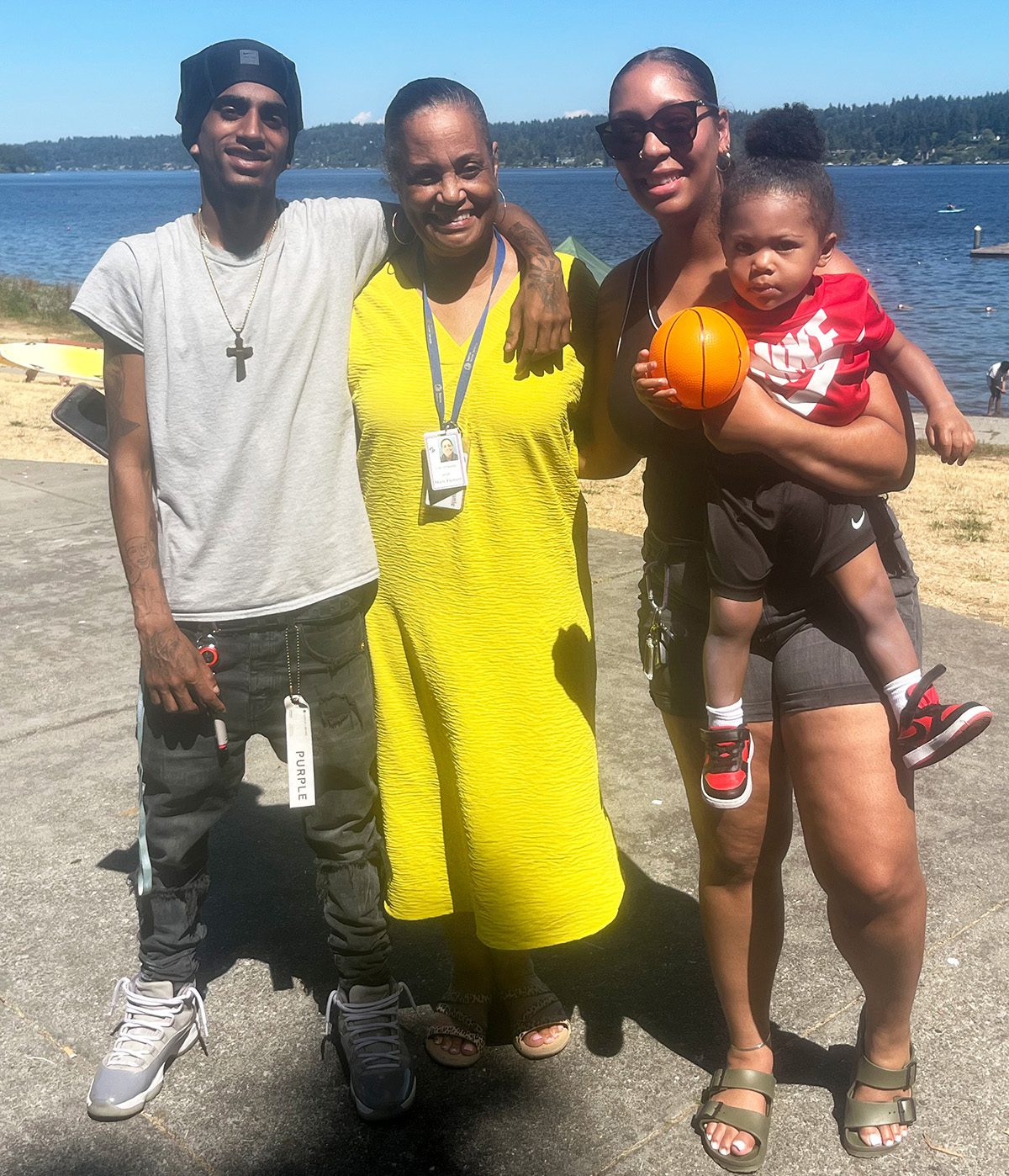
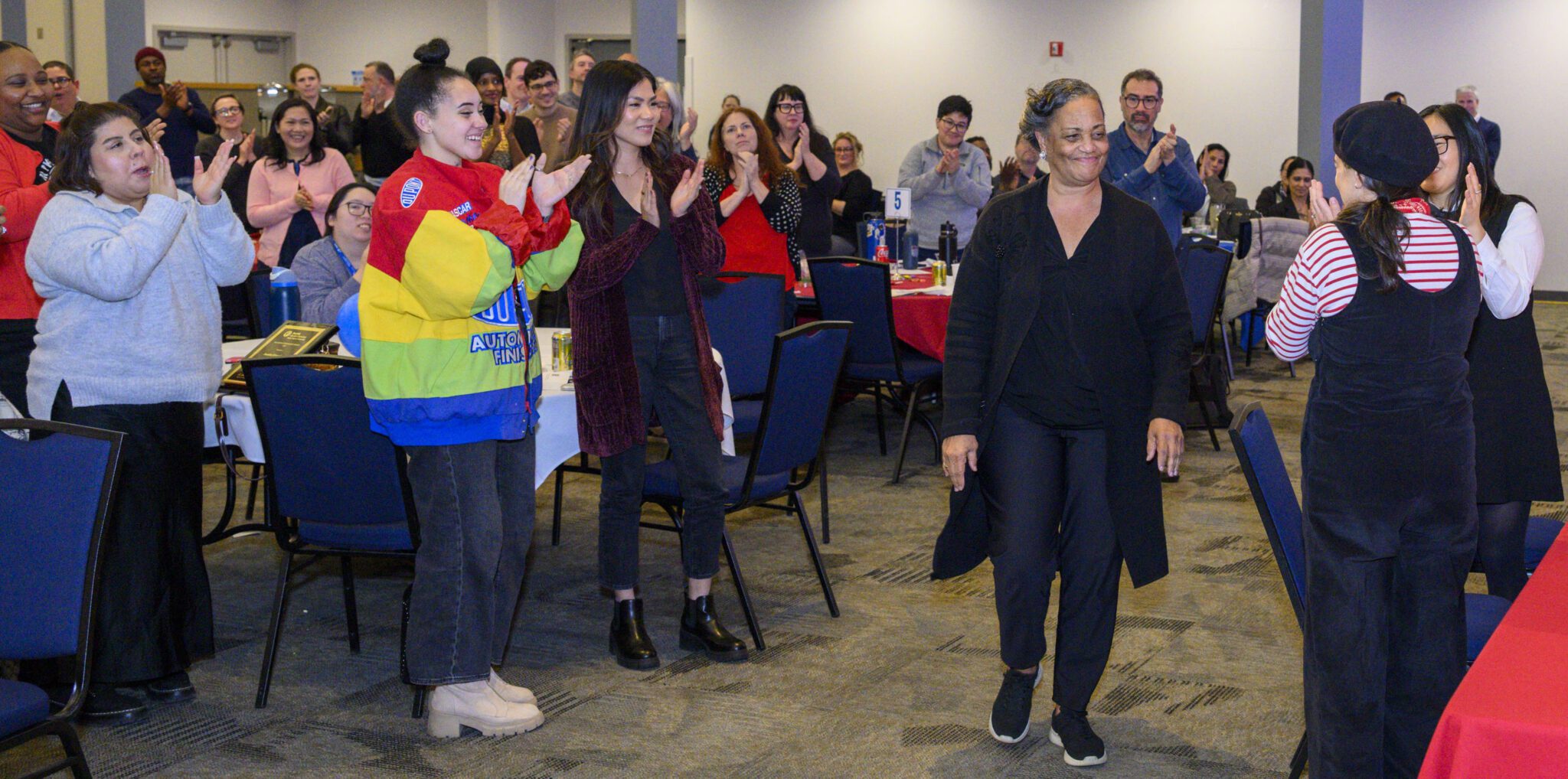
After 31 years at the Human Services Department, Mary Flowers retired this month. In her most recent role she was working to advance community safety, but has served in many roles over the years. In January’s Employee Spotlight, Mary writes about her extraordinary tenure serving the City of Seattle and its residents, HSD’s partnerships with community, and the difficulty — and importance — of addressing the systemic and structural challenges that drive the need for HSD services.
What is your role at Seattle Human Services?
I support our contracted providers in HSD’s Safe and Thriving Communities division. Over the past two years I’ve been a strategic advisor building relationships with community and supporting the development of community-led solutions. During my tenure at HSD, I have worked across many of our impact areas—from empowering youth and families, to supporting our older adults and people with disabilities, to reducing homelessness for 17 years before and during the establishment of the King County Regional Homeless Authority.
I have participated in HSD’s racial justice efforts, including the Undoing Institutional Racism Group, for nearly a decade. That group was the forerunner to the City’s Race and Social Justice Initiative (RSJI). I’m also a member of the HSD Change Team, which aims to create an anti-racist organization and supports initiatives that improve community health and safety.

How has your work at HSD changed over the years?
HSD was founded in 1971 [originally as the Office of Human Resources; in 1991 the name was changed to Department of Human Services] amid the struggles and victories of the Civil Rights Movement. That legacy is woven into the fibers of the department. I’ve seen HSD uphold our commitment to service, while educating and convening to better understand and address systemic and structural drivers of need for our services. HSD has taken strategic risks, partnered with community, and used research and analysis to support equitable service delivery. The changes have not been easy, nor swift. but over time, they have been significant and far-reaching.
The colleagues I’ve worked with have been competent, supportive, and dedicated. Even during the most difficult times, we pulled together. I’m ending my time in the Safe and Thriving Communities division, which is on a very positive trajectory. A highlight in my final year was the collaboration of both community safety and youth empowerment staff that centered the well-being and safety of young people. This effort brought in HSD’s Seattle Youth Employment Program (SYEP) interns to learn about our community safety services, our commitment to racial and social justice, and to make recommendations to improve and increase youth participation in all phases of our work. I’m excited for what is to come at HSD.
What have you loved about your job?
I have loved that HSD encourages and supports partnership with community. During the early days of the pandemic, while working in our Homelessness division, our contracted community agencies were under tremendous pressure to expand shelters [in an effort to reduce the risk of COVID exposure to people experiencing homelessness]. In many cases, that meant turning multiple overnight shelters into 24-hour shelters. This change required additional staffing and facilities, safe distancing, supplies, food, and equipment during a time of scarcity and fear. Community providers responded heroically, behind the scenes.
One memorable convening focused on opening a Central District COVID shelter at a beloved facility built in the 1970s for early childhood education of Black children. A community elder observed that many of the people populating shelters were once housed in extended familial homes owned by the community’s matriarchs and patriarchs who could no longer afford to remain.
What followed was a meaningful discussion about the history of systemic practices contributing to homelessness and gentrification. Participants encouraged providers and the City to take ownership for contributing to homelessness, and not just credit for providing shelter. Many attendees stayed involved in the shelter stand-up process and participated in welcoming women into the shelter on opening day.
HSD brought that learning and practice into other challenging shelter stand-up processes during the pandemic. I’m grateful to have worked with teams of people at all organizational levels at HSD who operate with vision, integrity, and humanity.
What parting thoughts do you have for your colleagues here at HSD?
HSD came into existence as a catalyst for change. It’s who we are. There’s much to criticize and much to mistrust about change work.
I recall as a child that many people sat on the sidelines during the Civil Rights Movement. They weren’t content to just opt out; they frequently commented that it was a waste of time and nothing was changing. The cynicism was understandable, but I’ve been blessed to live long enough to see the grandchildren of many of those same people experience opportunities that were a seemingly unreachable dream at the time. Those opportunities would not exist if those engaged in the struggle heeded the criticism and gave up.
So, I urge my HSD colleagues to be aware of the difficulty of collective change work, the power each of us has to encourage or discourage, and the courage it takes to keep going when our feelings are hurt or when the vision gets cloudy.
I’m eternally grateful for the opportunity to be a part of HSD all of these years. My final parting thought for HSD colleagues committed to a vision where all people thrive is a proverb that has been a powerful reminder of what the journey is really about: “If you want to go fast, go alone; it you want to go far, go together.”