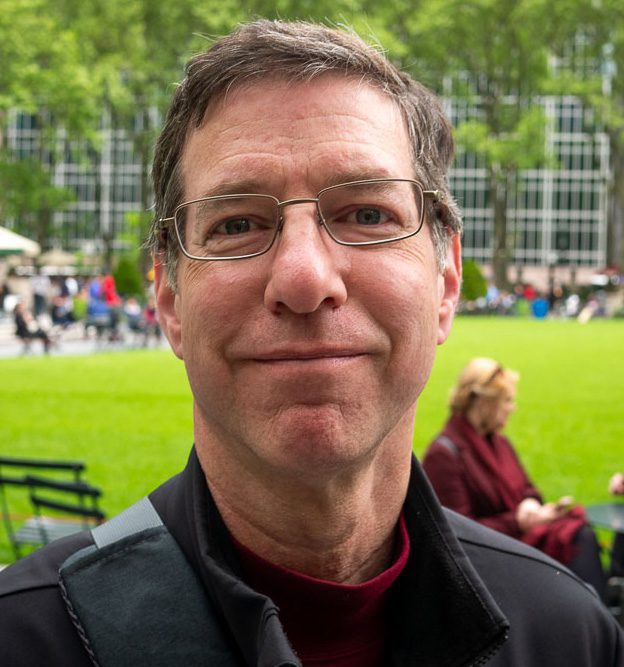
Ken Astrein has been working with Seattle Human Services for 36 years. He writes about what led him to community development work and his passion for helping communities develop the infrastructure needed to promote healthy, thriving neighborhoods.
What is your role at Seattle Human Services?
Senior Community Development Specialist – I’m the lead staff person for HSD’s Community Facilities Program and for the Child Care Bonus Program. These programs provide capital funding for facility projects being undertaken by our nonprofit partner agencies.
What made you want to work in human services?
I am a strong believer in public service, and I have always felt that community development work is an important tool in helping create and support healthy, thriving neighborhoods and cities. My work in HSD also allowed me to combine this passion for public service with many of the skills I acquired over the years. I pursued a master’s degree in urban planning after completing my undergraduate studies, as I had an interest in housing issues and city design. I also consider myself a “reformed” banker as I had a knack for finance and had worked a few years in commercial and retail banking, including some time I spent as a credit analyst underwriting real estate loans. This combination of training and skills landed me in the field of community development, and I have been doing this work ever since I graduated.
How has your job changed in recent years?
The number of people working in community development in the Puget Sound region has always been small, but very well connected. While several of my colleagues started retiring just before COVID hit in 2020, a large number left the field during and after the pandemic, like what happened in many other career fields. Unfortunately, we are now experiencing a shortage of knowledge and experience in the field. But we are slowly filling the ranks, and I am feeling confident that the next generation is ready for any challenges that may lie ahead.
What do you love about your job?
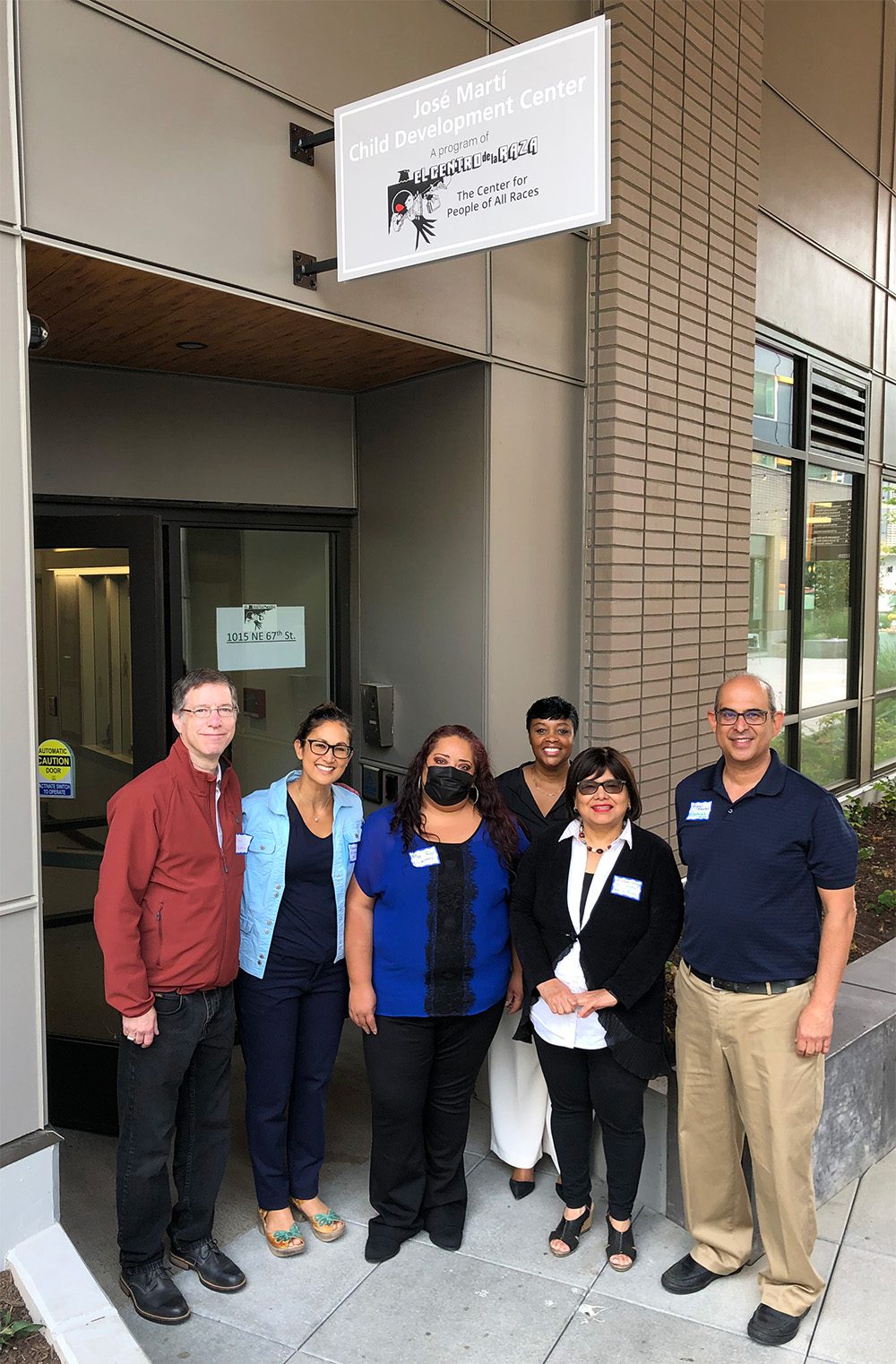
I love the people I work with, and I love the mission of our program. HSD has always attracted great staff who care about the communities that we serve. I also love the staff and volunteers at the many agencies and communities that I have worked with over the years. They are as equally passionate about serving their communities, and that makes me hopeful about the future.
I enjoy seeing all the facilities throughout the city that the Community Facilities and Child Care Bonus programs helped to develop or rehabilitate over the years. It’s a great feeling when I am out almost anywhere in the city and see the facilities that we funded being used by the community.
How do you contribute to HSD’s overarching goals related to racial equity?
First, is making myself and our programs accessible, especially to traditionally underserved communities. As a public servant, it is important to give people your time and presence, as well as listen to what they are trying to do for the community. While our programs may not be the right funding sources for their projects, we are often able to help them meet other funders who can provide them with support or technical assistance.
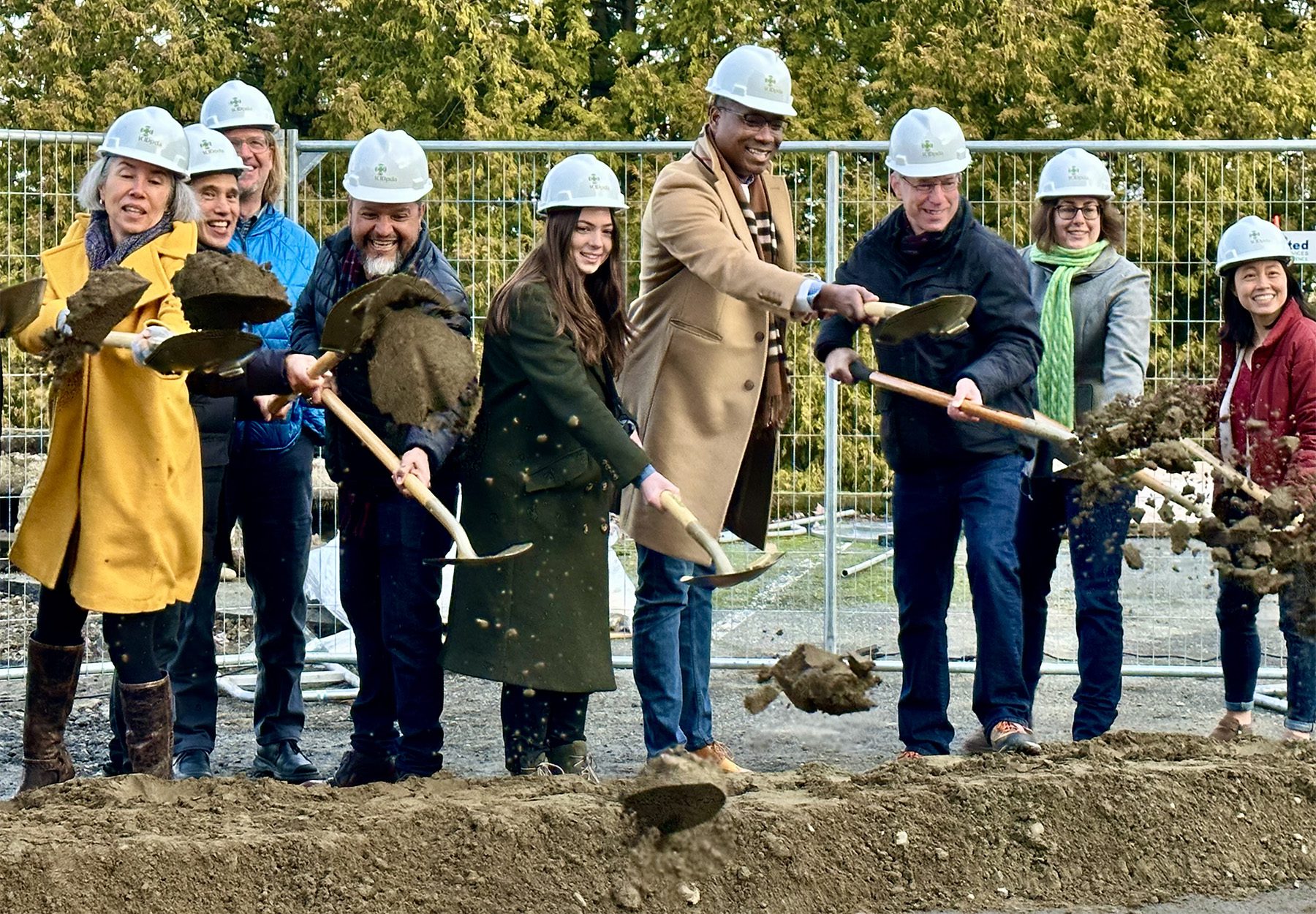
Second, is to try and level the playing field as much as possible so all agencies, large and small, have a fair and equitable chance to receive funding. HSD has supported many smaller agencies over the years, and I am proud that our funding opportunities allowed them to be successful when competing against larger, and often better-funded, agencies.
Last, but certainly not least, is the technical assistance we provide. Adding public funding can make a project an even more complicated process. In monitoring for compliance with our various funding requirements, HSD staff can directly and indirectly assist agencies in successfully navigating the process and completing their projects.
What motivates you and keeps you going?
A strong desire to be a part of rebuilding and repairing the world. The need for community facilities has been steady for the past 30+ years as Seattle has continued to grow, and I suspect it will continue as new agencies and communities emerge.
Public funding is essential for these projects to succeed, and a commitment of public support through a competitive public funding process allows agencies to let others know that their project is a priority and has received funding. Being a part of these projects and helping them to succeed is strongly aligned with my values and beliefs.
What’s one piece of advice for HSD newcomers or recent graduates in your field?
Being mission-aligned with your work is probably the most important advice I can offer. Working in any large organization has its ups and downs, but if you feel your work is aligned with your values and beliefs, it is much easier to remember why you are doing what you do. Work with people you enjoy and respect. Mission alignment helps you remember that the race is more often a marathon than a sprint, but it is the team that motivates you to keep on going, especially on those tough days.