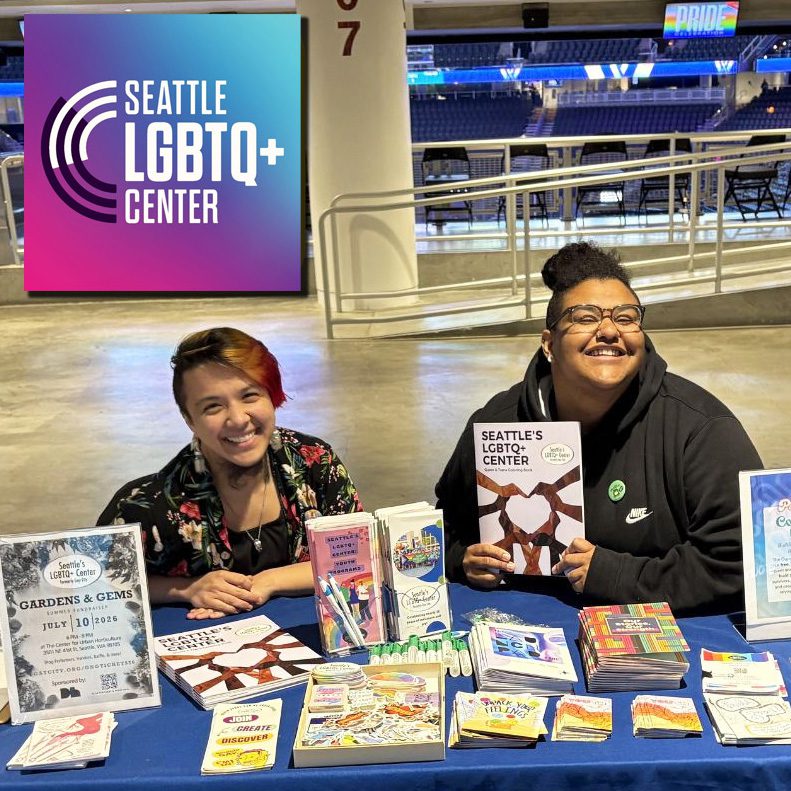
Community Corner highlights the work of Seattle Human Services’ community partners in their own words. Our goal is to gather stories and photos that illustrate their amazing work on behalf of the people of Seattle. This post focuses on Seattle’s LGBTQ+ Center, a cultural and wellness hub serving LGBTQ+ communities through HIV/STI testing, arts programming, affirming health resources, and community-building.
As Pride Month begins here in Seattle, HSD is honored to stand in solidarity with our partners at the LGBTQ+ Center as well as organizations like Gen Pride, UTOPIA Washington and Lambert House. We encourage you to read previous blog posts about these orgs (here and here) to learn more about their work in our community.
In this blog post, Maisha Manson from Seattle’s LGBTQ+ Center describes how the HSD-funded Resource and Referral Line helps connect people to housing, gender affirming medical care, mental healthcare, employment, and more. Visit Seattle’s LGBTQ+ Center website and follow them on Facebook, Instagram and LinkedIn.
When was your organization founded, and what role does it fill in the community?
Seattle’s LGBTQ+ Center, formerly known as Gay City, was founded in 1995 by a group of community activists with a vision of building communities that are stronger than HIV. The Center has grown and evolved, continuously adapting to meet the greatest needs in our most marginalized communities, with over 13 services and programs for LGBTQ+ people centering the self-determination, liberation, and joy of our community.
What is the LGBTQ+ Resource and Referral Line, and how do folks access it?
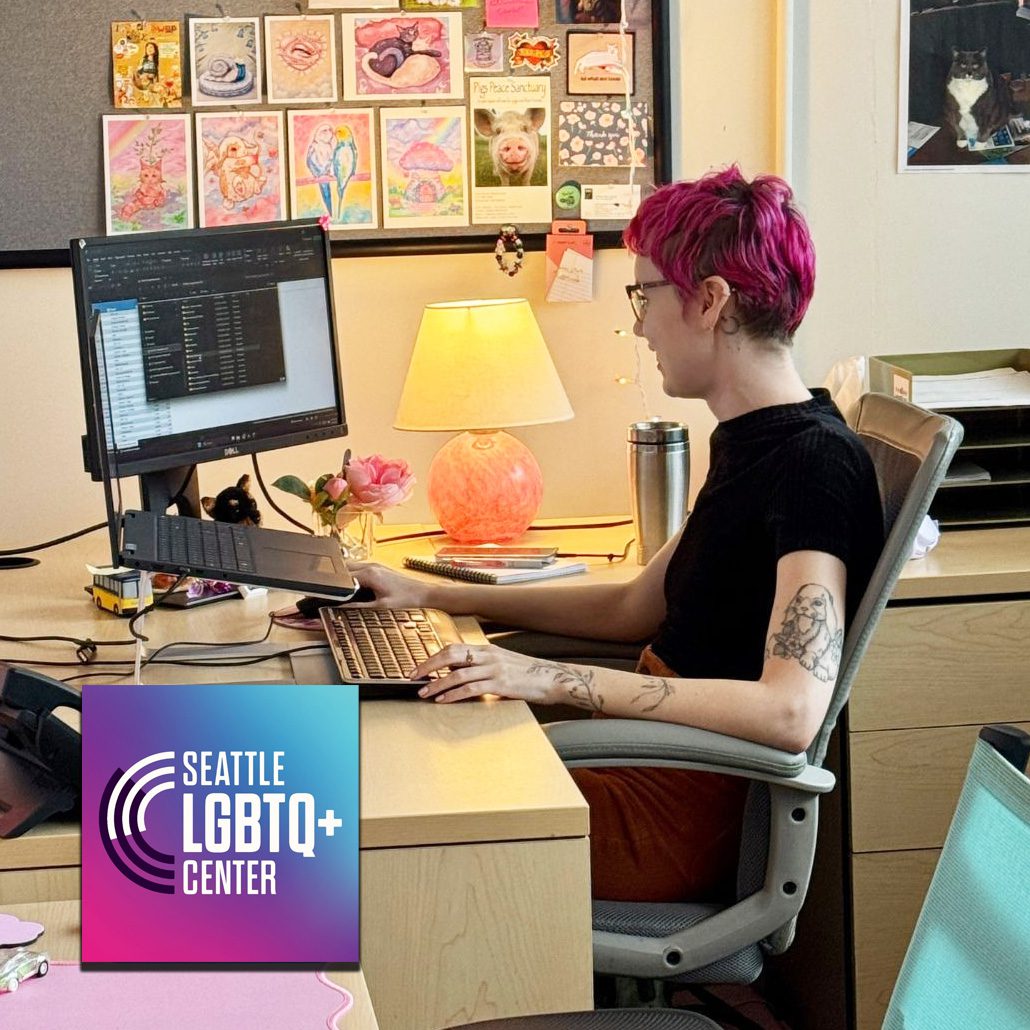
Seattle’s LGBTQ+ Center houses the city’s LGBTQ+ Resource Referral Line, which supports community members experiencing crisis, housing instability and houselessness, domestic violence, and sexual assault. Referrals are made over the phone (206-860-6969), in person at our Capitol Hill location (400 E Pine St), and via our website: gaycity.org/resources.
How has Seattle’s LGBTQ Center grown or developed in recent years?
The Center has grown so much in the last few years to support the needs of our communities. One of the biggest changes is that we now have a Mutual Aid Closet that supports community members in getting free food, clothing, gender affirming supplies, and other essentials.
What disparities or inequities are you working to address and how does the LGBTQ+ Resource and Referral Line help close those gaps?
We know that the LGBTQ+ community, specifically QTBIPOC folks, have disproportionately higher rates of both systemic and interpersonal violence, as well as less access to basic needs resources. The Resource and Referral Line is working to close the gaps by connecting community members to housing, gender affirming medical care, mental healthcare, affordable insurance, employment, education, transportation and more.
Tell us an example of how the LGBTQ+ Resource and Referral Line impacted one of your clients or community members.
The Resource and Referral Line received a call from a trans femme community member in Arkansas, who was relocating to Seattle to escape discrimination and targeted harassment in her state. We were able to connect her to transportation resources for her trip, and when she arrived in Seattle she came to visit the LGBTQ+ Center in person.
From then on, the Resource Referral Line was able to support her with accessing housing, employment and gender affirming care. She comes in to visit and receive care from our clinic and Kelley Ross Pharmacy regularly.
What keeps your staff going during challenging times?
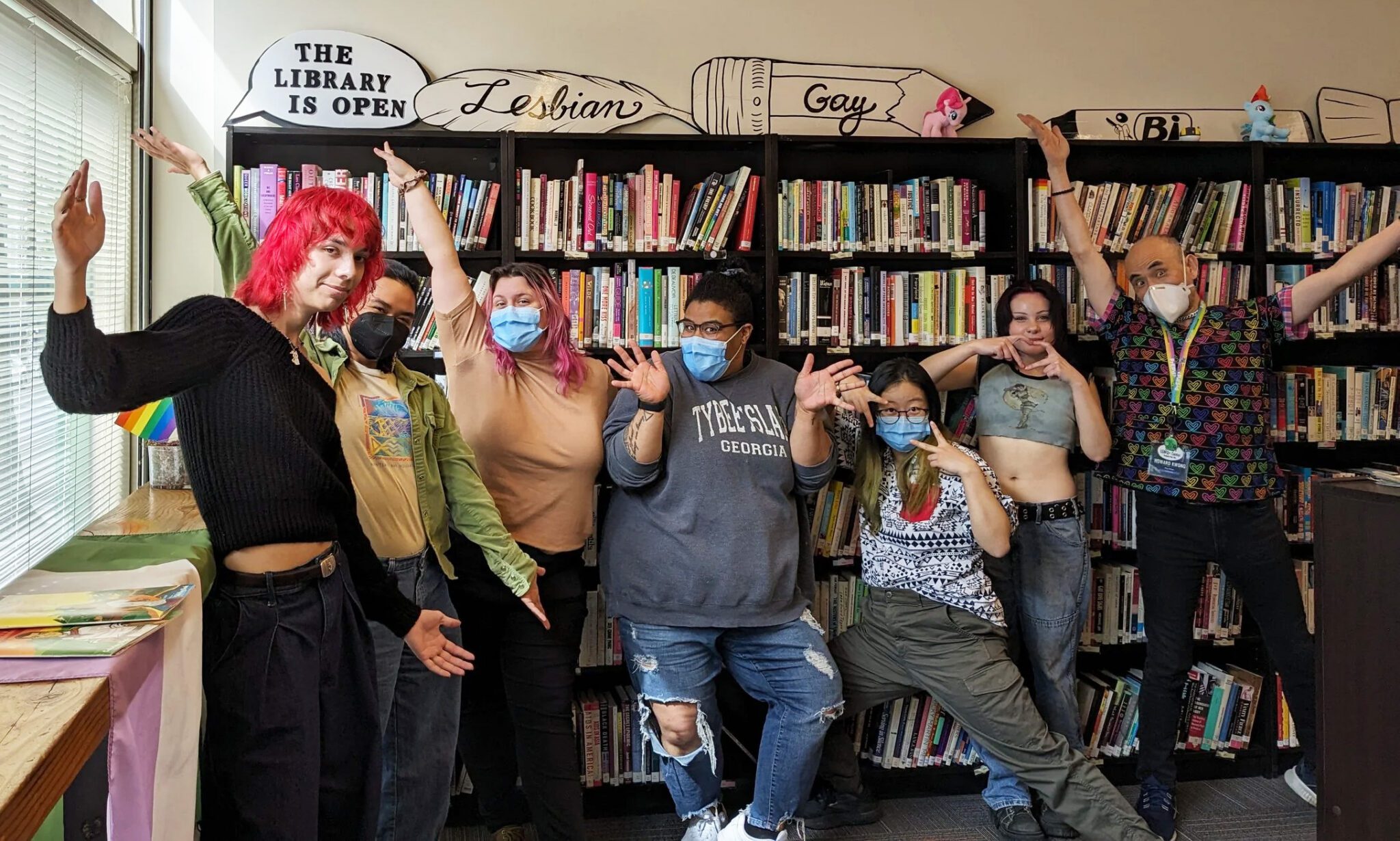
What keeps the staff going is the impact that we make, seeing community members grow and get the resources that they need, and the act of being able to support the community you are a part of. This not only brings a sense of pride, but also sustains our shared value of community care.