Community Development Block Grants are a vital funding source for social services and programs in Seattle, contributing critical dollars to parks accessibility, job training programs, small business development, community facilities development, clinics for the treatment of substance use disorder, and more.
The federal program, now in its 52nd year, is administered by the U.S. Department of Housing and Urban Development (HUD). April 6-10 is Community Development Week, an opportunity to raise awareness about the local impact of programs that receive funding through the Community Development Block Grant (CDBG) program.
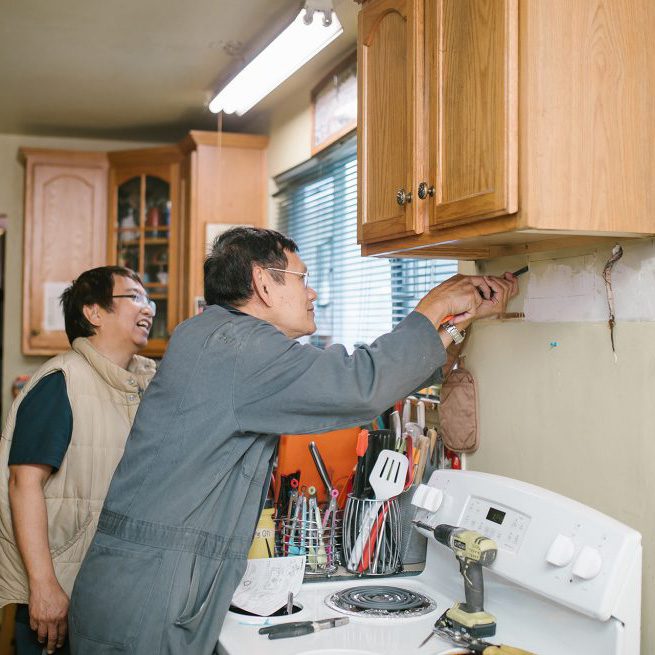
In honor of Community Development Week, we are using this Community Corner space to spotlight one of the programs that receives CDBG funding through the Seattle Human Services Department (HSD). Minor Home Repair helps seniors and disabled homeowners with low incomes maintain their homes so they can safely age in place for as long as possible.
Below is a Q&A about Minor Home Repair with Sound Generations, the statewide services provider that administers the program. For more about how HSD administers Community Development Block Grant funding, visit this webpage to see some examples of HUD funding at work in our communities!
The following responses were provided by Logan Edwards of Sound Generations. Visit the Minor Home Repair website, and follow Sound Generations on Facebook, Instagram and LinkedIn.
Who does the Minor Home Repair Program serve? How do residents access services?
All homeowners served have low incomes, and last year 53 percent had extremely low incomes. About half are elders of color, and last year 84 percent reported having a disability. Over 90 percent of those we serve are over age 60.
We get referrals from many places, especially our Pathways Information & Assistance program. Once referred, residents complete a simple intake form. We use the form to verify their eligibility (must be a homeowner with a low income in our service area) and then reach out to confirm the details of their repair needs and schedule an appointment.
We’ll send a reminder the week of the appointment, and the technician will call before heading to their home. They complete the repair (or repairs, as there’s often more than one needed), perform a safety assessment, and that’s it!
How has the program grown or evolved in recent years?
A lot of our funding is from specific cities, and we are getting more and more requests from folks who live outside the funded cities. We try to apply for independent grant funding so we can serve everyone who needs our help, especially the most vulnerable who live outside of our established service areas.
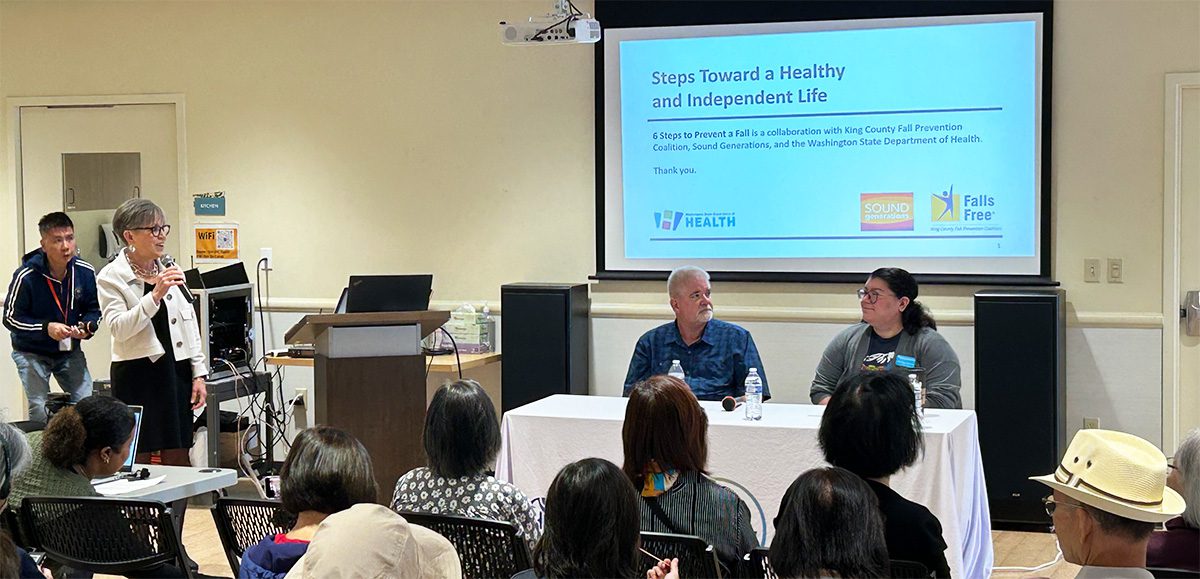
Regarding the work we do inside people’s homes, there is a growing awareness around the dangers of falls and importance of preventing them. Did you know that falls are the most common cause of injuries for older adults? We now do more safety assessments and install more grab bars, railings, and ADA toilets to not only prevent falls and injuries, but also restore a client’s sense of safety and security within their own home.
How does home repair fit into Sound Generations’ mission and vision for supporting older adults?
Sound Generations’ mission involves helping people to age their way, and often this means aging in place, both as a matter of preference and economic necessity. However, homes take money and/or personal ability to maintain, and many of the older adults we serve face barriers to both. By fixing small issues with plumbing, electrical, carpentry and safety accommodations before they grow to endanger the home or the homeowner, our minor repairs allow elders to maintain their independence and safety.
What disparities or inequities are you working to address and how do your programs help close those gaps?
Nearly 1 in 4 of our neighbors (maybe including ourselves) are older adults, and we face new challenges as we age. We work to address the multiple barriers faced by many of our elders — whether financial, language, cultural, or health-related. Sound Generations partners with senior centers to offer 13 programs that support nutrition, transportation, health, and access to other support services.
Minor Home Repair, like many of our programs, provides services at no cost, uses the language line (and sometimes bilingual staff) to overcome language barriers, and helps many homeowners with disabilities (84 percent last year), closing the gap for those facing mobility barriers.
Tell us an example of the impact that the Minor Home Repair Program has in the community.
The best examples of our impact are stories from the elders we serve. One older woman, living alone on a very limited income, had a leak in her roof. Unable to fix it, the leak caused so much damage that her water heater fell through her floor!
When she reached out to Sound Generations, she was living in a house with no running water and was in danger of having her home condemned. Now her home is safe, with a functional kitchen and bathroom, and we also connected her with our Meals on Wheels program.