When SNAP benefits were disrupted November 1 amid the federal shutdown, tens of thousands of Seattle residents were suddenly left scared and wondering how they would afford to feed their families for unforeseeable future.
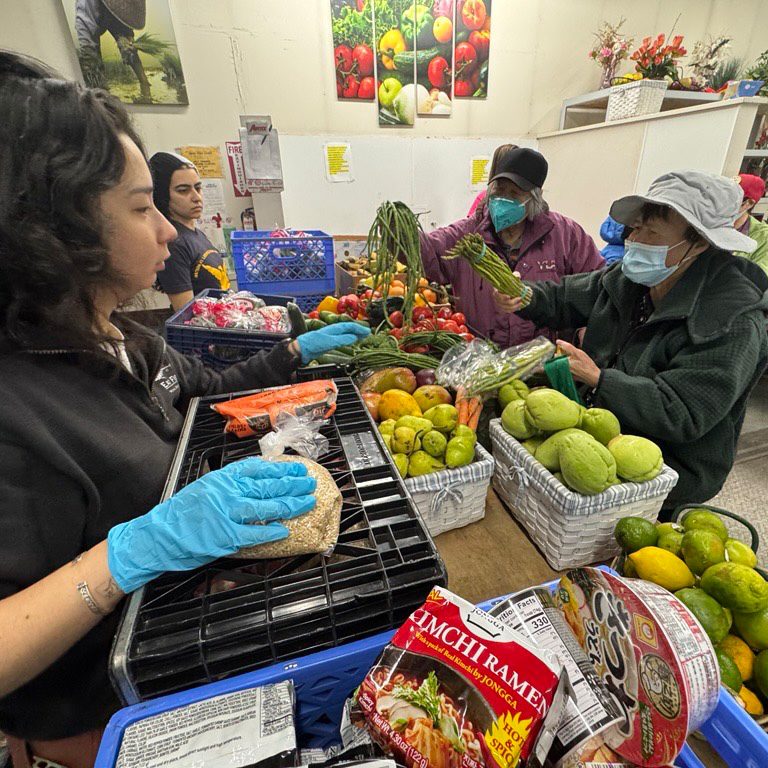
On October 30, Seattle Mayor Bruce Harrell proclaimed a limited civil emergency in response to the Trump administration’s decision not to fund SNAP benefits during the federal shutdown. Through this executive action, the City made $1 million in emergency funding available per week to contracted agencies to meet increased food demand citywide.
This swift response allowed emergency food assistance to quickly reach dozens of food banks, community meal programs home grocery delivery services, Farm to Preschool & Farm to Childcare programs, and school-based food distribution programs in highly vulnerable neighborhoods in partnership with Seattle Public Schools (SPS).
The Human Services Department’s (HSD) food access partners immediately sprang into action. HSD directed hundreds of thousands of dollars in city funding to approximately 30 food banks and meal programs across the city each week. Programs used funds to purchase food to meet the spike in demand. Initial data shows food banks on average saw increases of more than 21% during the first week of the limited civil emergency, including many first-time customers, with one food bank seeing more customers in a single day than they would see in two to three weeks.
“Families were already feeling the strain long before the SNAP pause,” said Fran Yeatts, executive director of the West Seattle Food Bank. “With grocery prices still at all-time highs, the SNAP cuts only deepen the hardship. Thanks to City of Seattle emergency funding and strong community support, we were able to pivot quickly during the pause. We saw an immediate increase of 50%-60% more households shopping with us, and we responded by purchasing and distributing more meat, milk, eggs, pantry staples, and an expanded variety of produce to help fill the gap left by SNAP.”
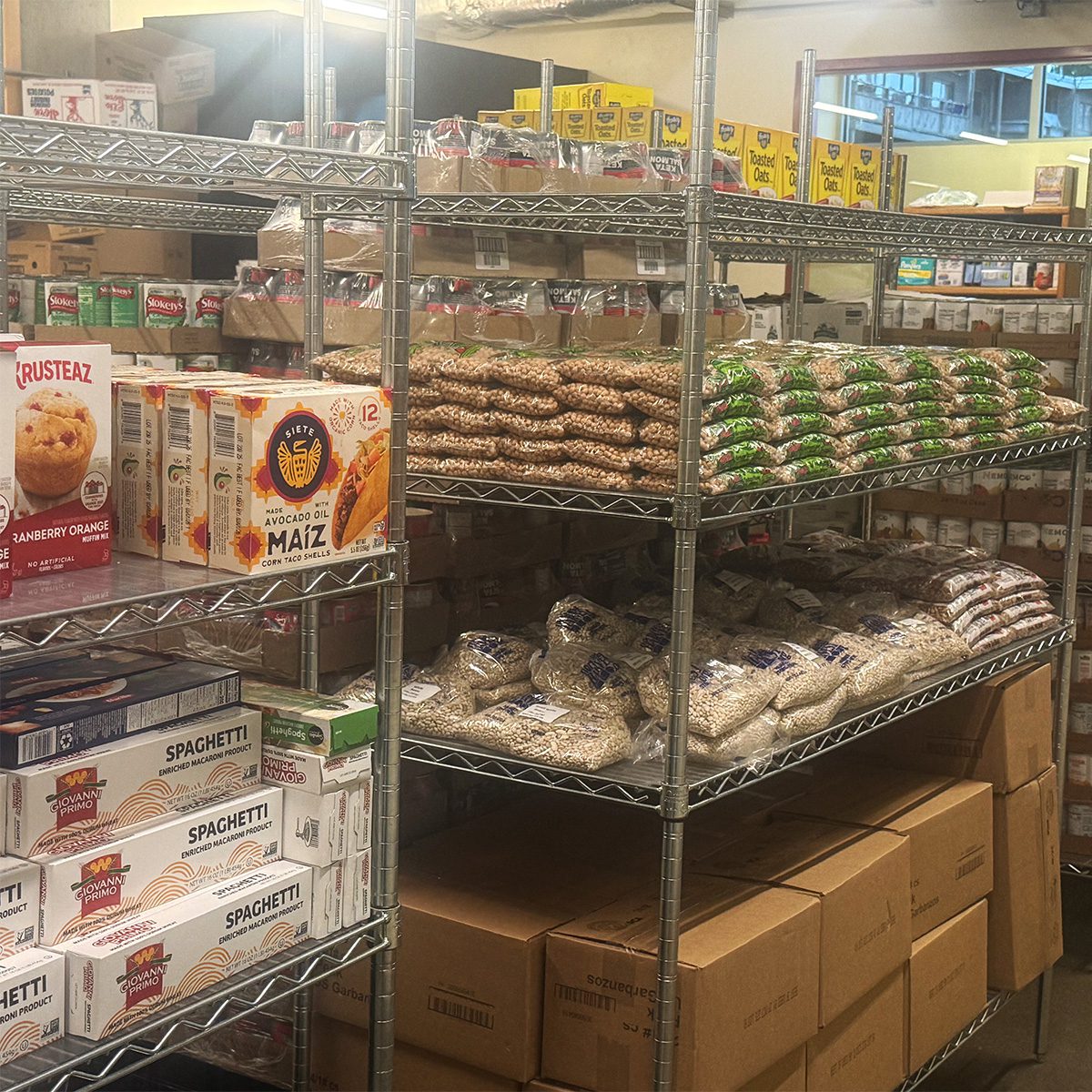
The emergency response also supported Seattle Public Schools with high rates of SNAP eligible families. Through a tightly coordinated partnership that exists through the City’s Healthy Food in School Initiative, Seattle Public Schools, and Cascadia Produce, a local produce supplier, 8,800 food boxes were distributed to families at 98 Seattle Public School sites over three weeks.
Organizations like the West Seattle Food Bank and Asian Counseling and Referral Service used funds to directly purchase items for their food banks. OSL Serves, another HSD partner, purchased 64,000 pounds of food and delivered it to more than 20 meal programs during the first two weeks of the civil emergency. OSL Serves will be outside City Hall from 12 to 2 p.m. on Thanksgiving Day, November 27, offering free, hot meals to anyone who would like one — no questions asked.
HSD partners also increased local farm produce bag deliveries for children and their families participating in the Seattle Farm to Preschool and Farm to Child Care programs. The Pike Place Market PDA doubled their farm bag deliveries at local schools, including Cascadia Elementary. “We have many families in need right now,” said Jennifer Quisenberry, preschool staff at Cascadia, “and this is an amazing help.”
Food banks were able to step up and meet similar levels of increased demand.
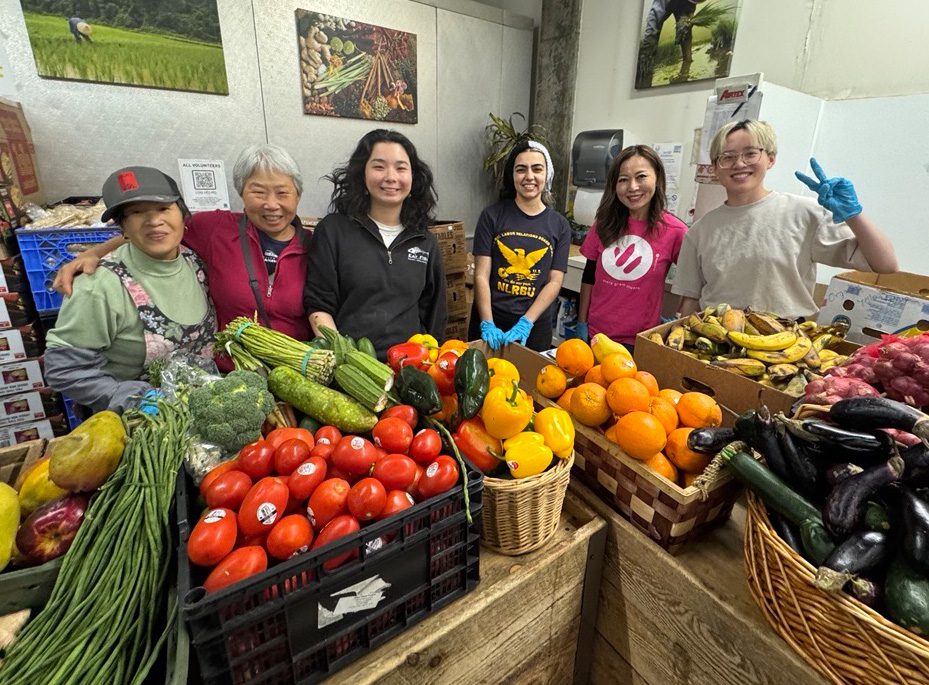
“With SNAP benefits paused, we saw more than 100 new visitors at our food bank in the first week of November alone,” said Kendee Yamaguchi, CEO of Asian Counseling and Referral Service (ACRS). “Thanks to the city’s emergency funds, we doubled our orders of culturally familiar staples like rice, ramen, noodles, tofu, and canned fish, and our food bank is now stocked to meet the surge in demand.”
Although the civic emergency officially concluded on November 22, food assistance continues as an important part of our affordability safety net. Visit seattle.gov/food-assistance to enter your address and find food banks and meal programs near you. Many Seattle Public Schools offer free meals for all students; see a list and find out more on the SPS website. And, if you can, we encourage you to consider donating to your local food provider as we enter our colder months, the holiday season and out-of-school time.
The HSD Food & Nutrition Resources web page has links to many more resources, including information on applying for SNAP and Fresh Bucks, a city program that provides $40 per month to spend at local farmers markets, independent grocers and supermarkets.